

Understanding the long-term deflationary tokenomics distribution and utility frameworks supporting native assets of Inwesthelm
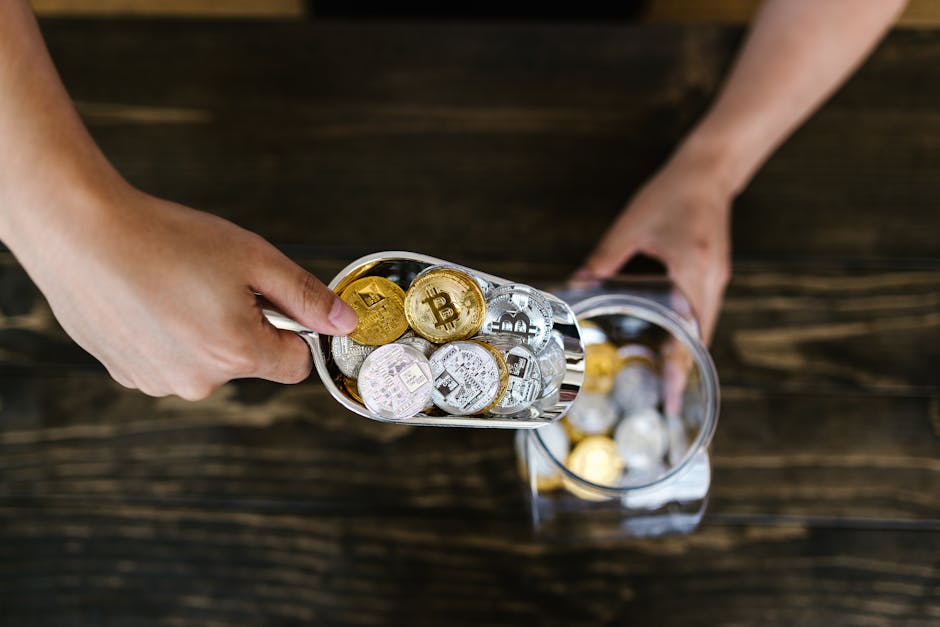
Token Distribution and Deflationary Mechanisms
Inwesthelm builds its native asset economy on a deflationary supply model that reduces token availability over time. The initial distribution allocates 40% to ecosystem development, 25% to liquidity pools, 20% to team and advisors with multi-year vesting, and 15% to community rewards. Smart contracts automatically burn a fraction of transaction fees and a portion of platform revenue. This creates a persistent downward pressure on circulating supply, which aligns with long-term holding incentives.
Controlled Emission Schedule
New tokens are minted only during the first three years through staking rewards. After this period, the emission rate drops to zero, making all subsequent token movements deflationary. The burn mechanism scales with network activity: higher transaction volume increases the burn rate. This design prevents inflationary shocks while rewarding early participants. For detailed tokenomics specs, visit inwesthelm.com.
Utility Frameworks for Native Assets
Native assets on Inwesthelm serve three core functions: governance, fee reduction, and collateral for synthetic assets. Token holders vote on protocol upgrades and parameter changes. Holding a minimum threshold unlocks discounted trading fees and priority access to new token launches. Additionally, users can lock native assets as collateral to mint stablecoins or leverage positions, creating organic demand that counterbalances selling pressure.
Staking and Yield Optimization
Staking native assets generates variable yields from transaction fees and deflationary rewards. The protocol uses a dynamic APR model that adjusts based on total staked percentage. When staking participation exceeds 60%, rewards shift toward non-monetary benefits like governance weight multipliers. This encourages long-term commitment rather than short-term speculation.
Long-Term Value Drivers and Sustainability
Deflationary tokenomics alone do not guarantee value; Inwesthelm pairs supply reduction with real utility. The native asset is required for protocol fees, which grow as the platform expands. A treasury reserve accumulates a portion of burned tokens and reinvests them into liquidity mining and partnerships. This creates a feedback loop: more users drive higher burn rates, which reduces supply, increasing scarcity for remaining holders. The team also implements quarterly buyback-and-burn programs funded by platform profits, accelerating deflation during market downturns to stabilize price floors.
FAQ:
What is the total supply cap for Inwesthelm’s native asset?
The total supply is fixed at 100 million tokens, with no additional minting after year three.
How does the burn mechanism work exactly?
Each transaction incurs a 0.5% burn fee, and 10% of quarterly platform revenue is used for manual token burns.
Can native assets be used across other blockchains?
Yes, wrapped versions exist on Ethereum and BNB Chain, with cross-chain bridges supported.
What happens if staking participation drops below 30%?
The APR increases to incentivize staking, and governance proposals can adjust parameters.
Reviews
Alex R.
I’ve been staking for six months. The deflationary model actually works-my holdings grew despite price dips.
Maria K.
The utility for collateral is solid. I use native assets to mint stablecoins and never felt liquidity issues.
Jonas P.
Clear tokenomics, no hidden inflation. The burn schedule is transparent and verifiable on-chain.